8 hr
Carthage, Sidi Bou Said & Tunis Medina Full-Day Tour from Hammamet
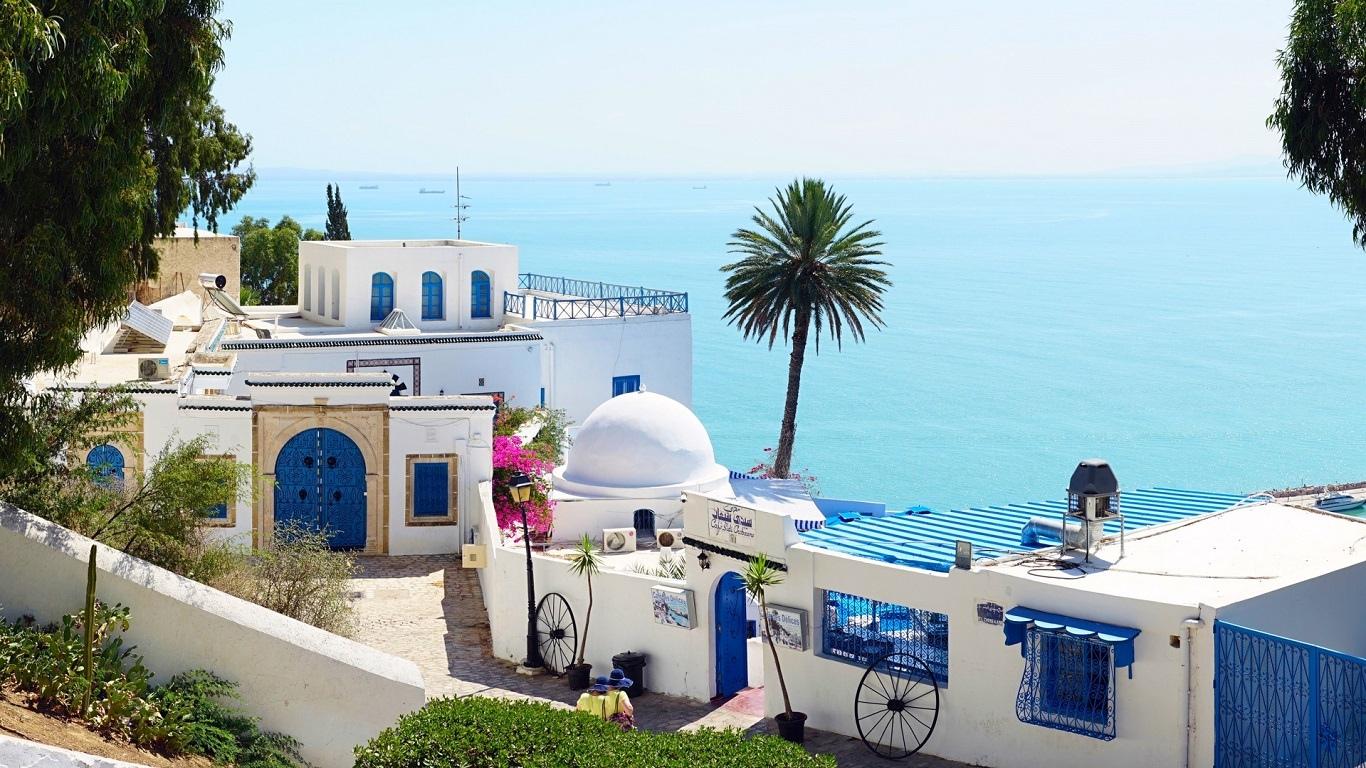
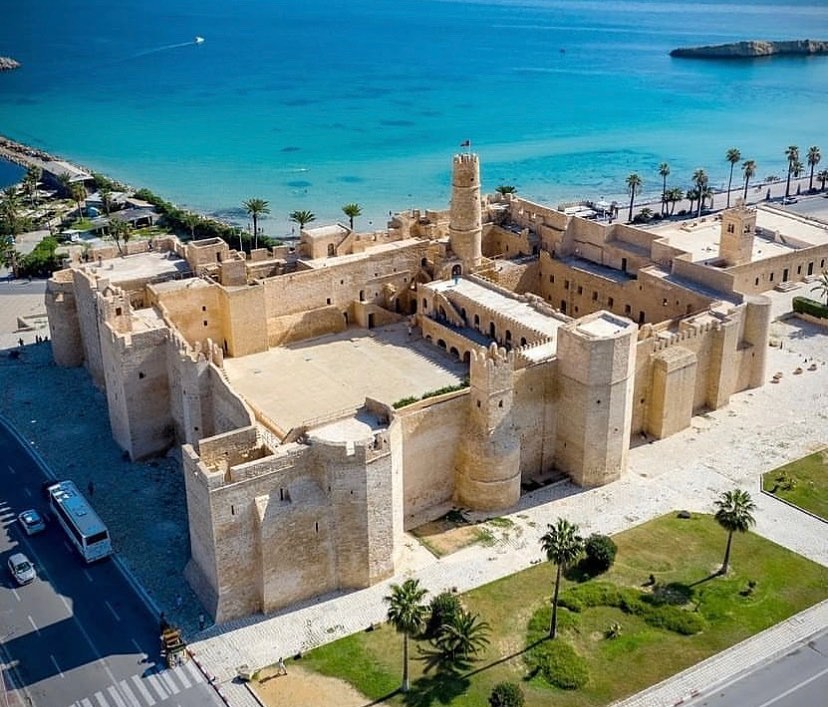
Discover ancient ruins, a stunning blue-and-white village, and the bustling medina on this full-day journey
Reserve
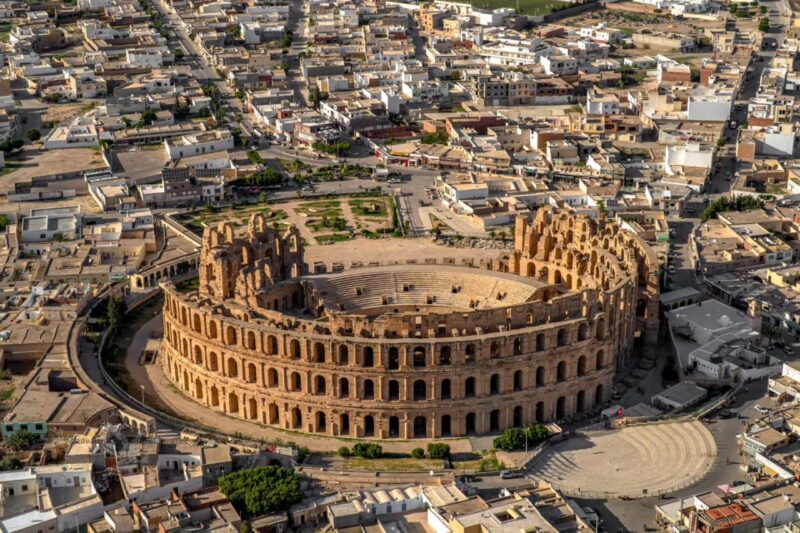
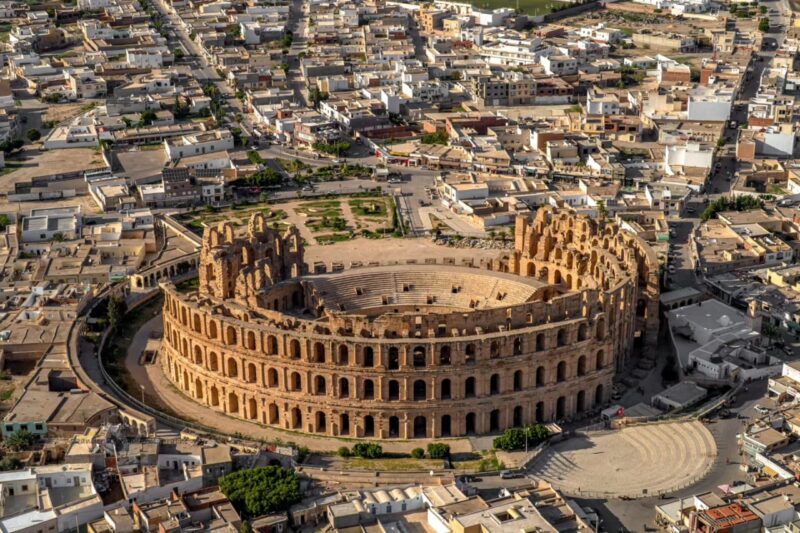
Africa's finest Roman arena rises from wheat fields, stone galleries echoing two millennia of spectacle.
Hand-picked by our editors — only the best 4 experiences from 23 reviewed.
Verified partners for El Jem Tour From Hammamet tours, free cancellation where available, and instant confirmation on every booking.
8 hr
Discover ancient ruins, a stunning blue-and-white village, and the bustling medina on this full-day journey
Reserve
48 hr
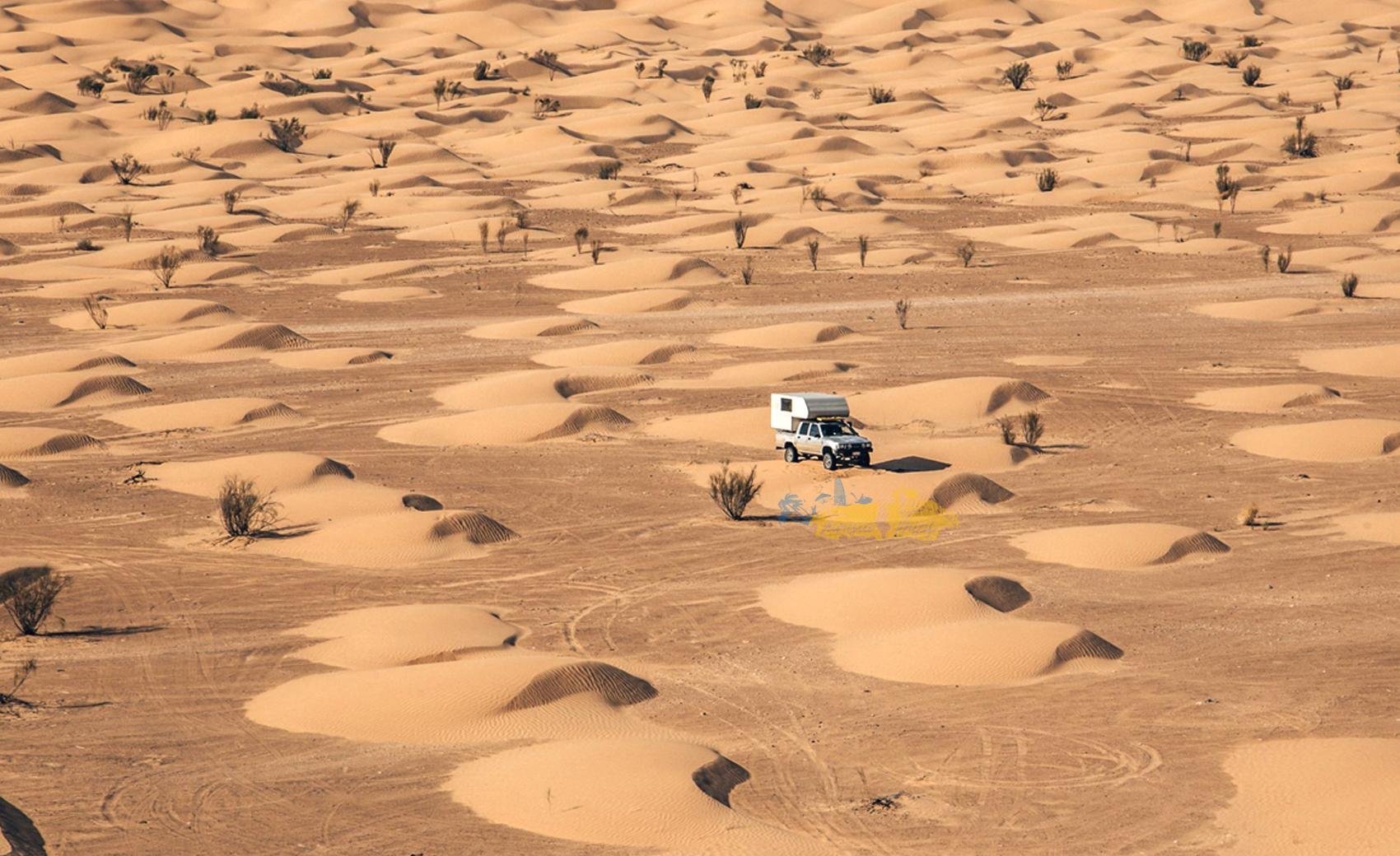
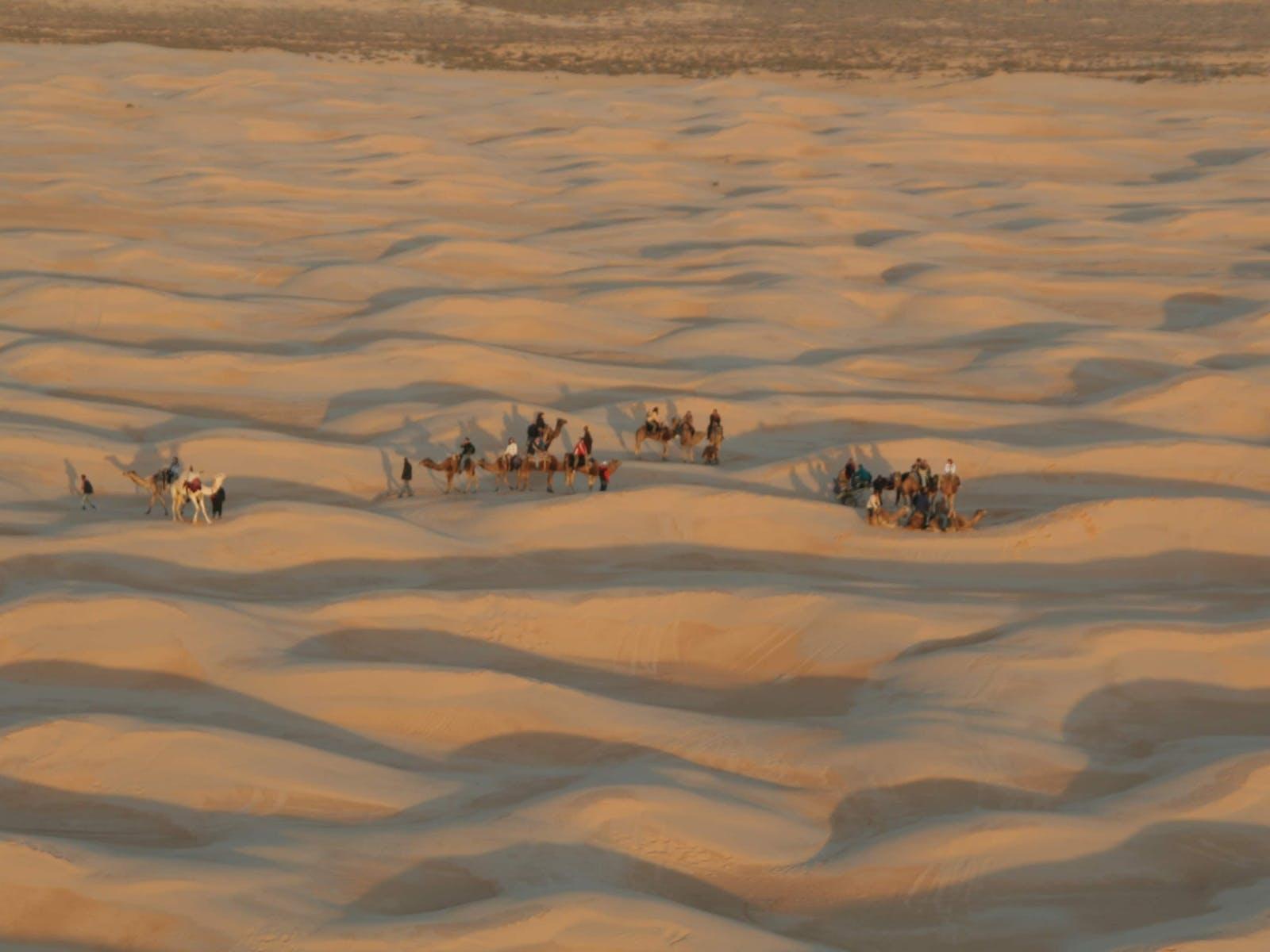
Journey from Roman ruins to Sahara dunes with overnight desert camping, Star Wars locations, and oasis exploration
Reserve
8 hr
Discover Tunisia's spiritual heart and Roman grandeur on this full-day guided excursion from Hammamet
ReservePrices from verified partners. Availability updates in real time at checkout. Free cancellation policies apply where shown.
The landmarks, rooms, and views travelers on El Jem Tour From Hammamet tours remember — all visible on a single visit.
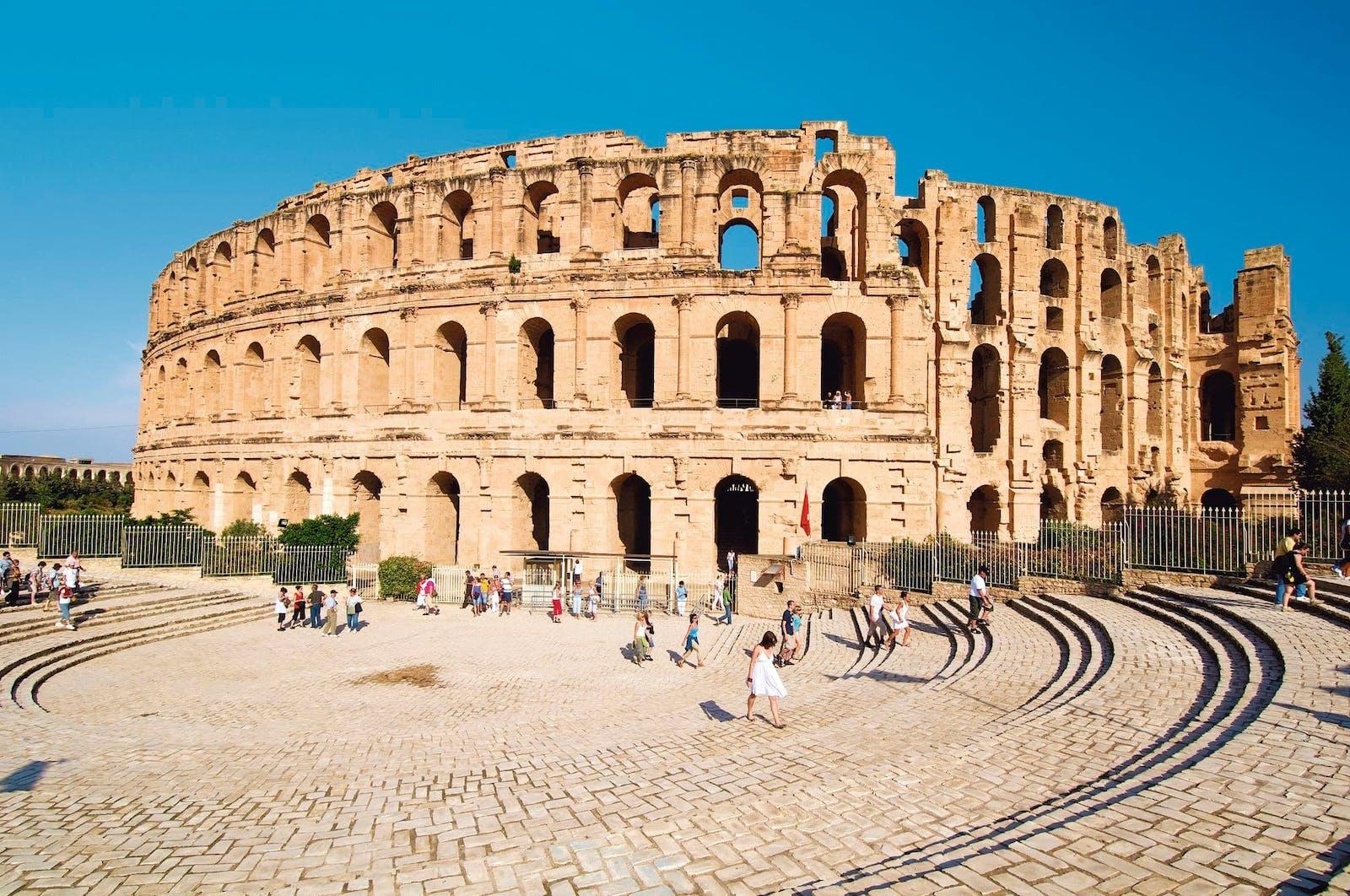
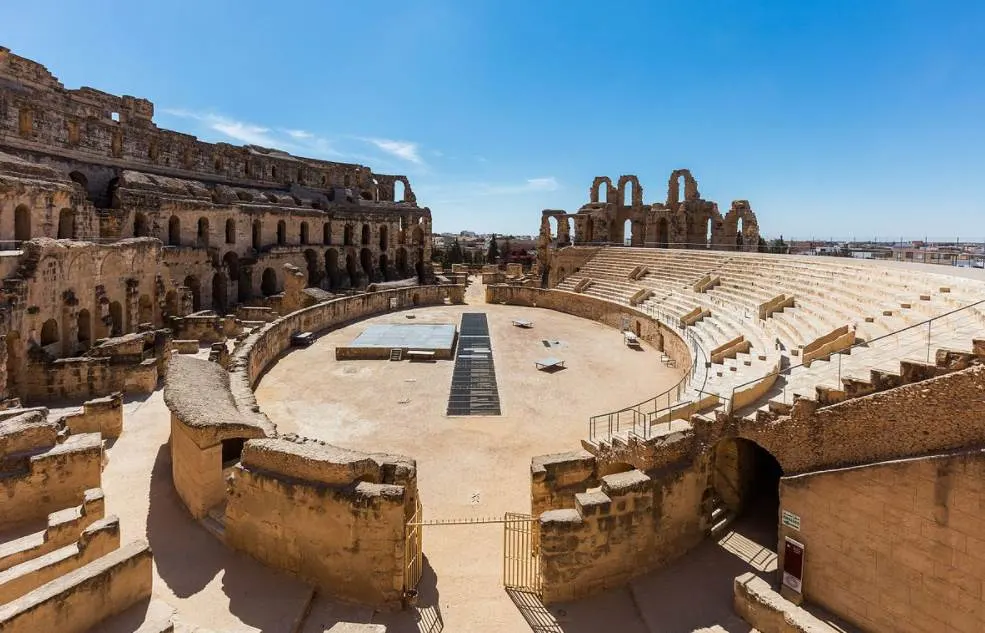
Stand in the center where gladiators and animals once appeared for combat. The scale of the elliptical arena is best appreciated from this low vantage point.
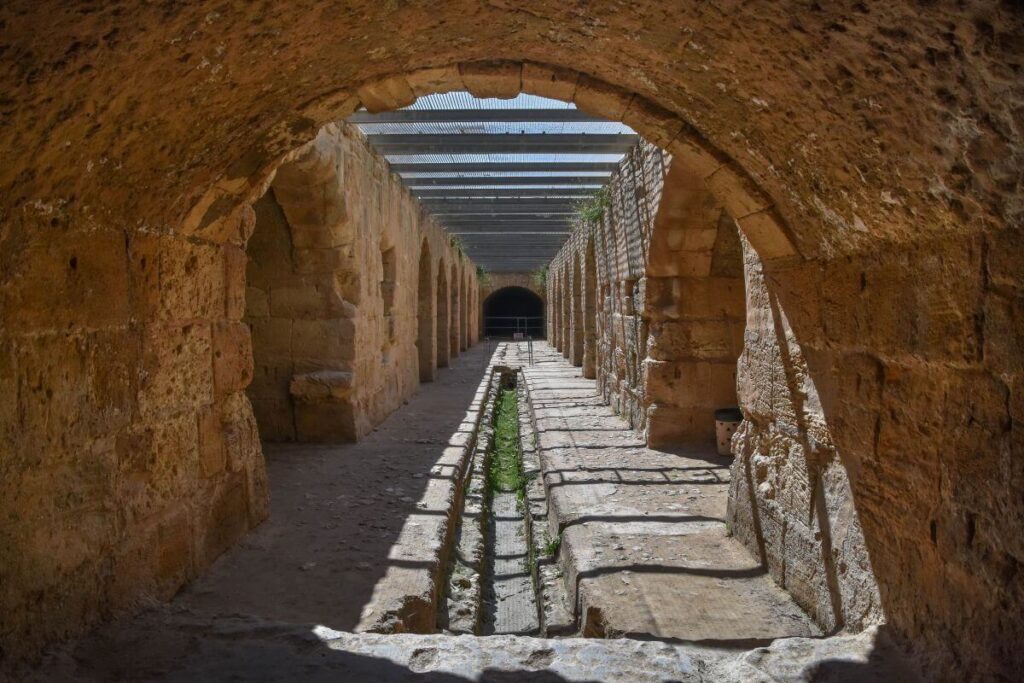
Descend into the vaulted underground passages that held stage machinery and gladiators. These corridors are uniquely cool and remarkably intact compared to other Roman sites.
Climb the stone terraces to the highest levels for a panoramic view of the town. This provides the best perspective on the massive footprint of the structure.
Located in the museum, these mosaics display intricate hunting scenes and portraits. They represent some of the finest examples of Roman artistry in North Africa.
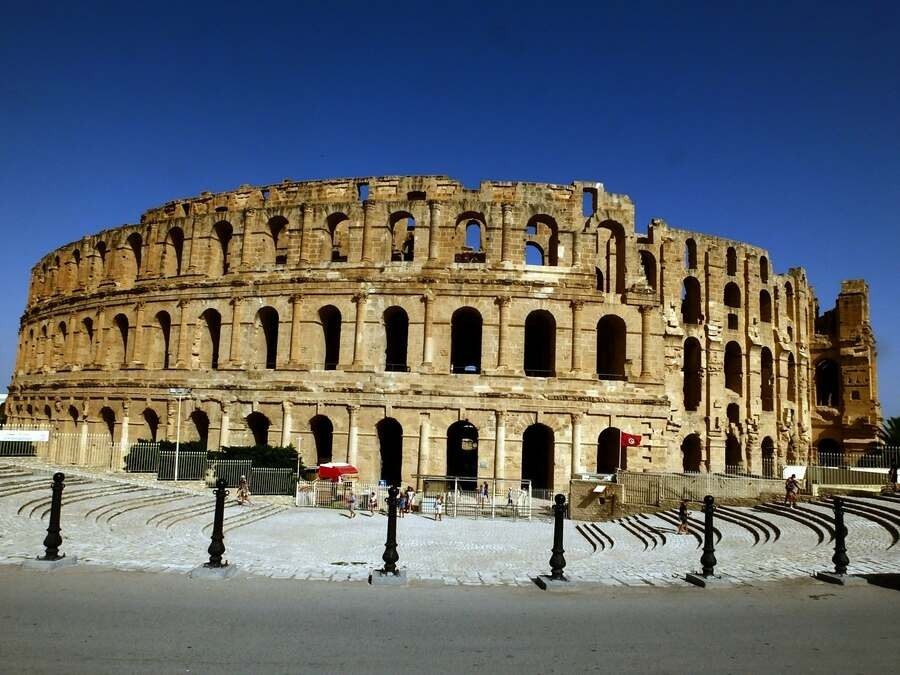
View the three-tiered arched exterior walls from the road. The symmetry and preservation of the outer structure are distinct features of this UNESCO-listed monument.
Every El Jem Tour From Hammamet tour side-by-side — duration, what's included, how you redeem.
| Experience | Duration | Rating | Skip-the-line | Guide | Small group | Free cancel. | Price | |
|---|---|---|---|---|---|---|---|---|
|
Guided Experience Most popular
Carthage, Sidi Bou Said & Tunis Medina Full-Day Tour from Hammamet
|
8 hr | ★ 4.3 | ✓ | ✓ | ✓ | ✓ | $37 | Book → |
|
Guided Experience
2-Day Sahara Express: Desert Camp & Ancient Sites
|
48 hr | ★ 4.7 | ✓ | ✓ | ✓ | ✓ | €122 | Book → |
|
Guided Experience
Kairouan Sacred City & El Jem Amphitheatre Day Tour
|
8 hr | ★ 4.4 | ✓ | ✓ | ✓ | ✓ | $90 | Book → |
All prices from verified partners. Availability and exact terms confirmed at checkout.
Organized excursions offer curated cultural immersion, while private transit provides the autonomy to explore UNESCO heritage sites at your own pace.
| Feature | Top pick Organized Tour | Private Rental/Taxi |
|---|---|---|
Navigational Effort |
Handled by guide | |
Flexibility |
Fixed itinerary sequence | |
Cost Structure |
All-inclusive upfront fee | |
Guided Insights |
Expert historical commentary | |
Driving Stress |
None for passengers | |
Time Management |
Structured schedule | |
| See tickets → |
Verdict: Those seeking deep historical context benefit from el jem tour from hammamet tickets, whereas travelers prioritizing personal spontaneity should opt for independent transport.
Choose your ticket, select your date, and reserve in under two minutes. Secure checkout handled by our verified partner.
Instant confirmation by email, with a mobile voucher you can save offline. No printing, no queuing at a collection desk.
Arrive at the entrance, show your voucher on your phone, and walk in. Most tickets include priority or skip-the-line access.
Practical details for El Jem Tour From Hammamet tickets straight from our verified partners — hours, access, rules, and how to get there.
Variable
Check your confirmation voucher for specific pickup details.
Open in Google MapsPrivate transfer is the most reliable way to complete an el jem tour from hammamet comfortably.
Modest clothing is recommended when visiting towns like Kairouan, though the El Jem Amphitheatre has no strict dress code. Comfortable walking shoes are vital for navigating the uneven stone surfaces and underground tunnels.
Standard backpacks are permitted, but expect limited security screening at the entrance. Large luggage is not suitable for the narrow subterranean corridors.
Photography is allowed and encouraged throughout the site. Tripods may require special permission if they impede other guests.
The amphitheater features steep, uneven stone stairs that are not wheelchair accessible. The Archaeological Museum offers more level paths for those with limited mobility.
Mobile phones are permitted. Keep ringer off inside exhibition spaces.
The site is safe for families, but children should be supervised closely near the deep arena drops and dark underground passages. The open space is great for energetic exploration.
No food or drink is sold inside the amphitheater. Bring plenty of water as the site provides minimal shade and gets very hot during summer afternoons.
Pets are not allowed, with the exception of service animals with appropriate documentation.
Last entry is typically 1 hour before closing. Check the specific ticket for timing.
Best time to go, insider tips, nearby landmarks, and the cancellation fine print — flip through to skim what matters to you.
How crowds, weather, and events shift across the year.
Mild temperatures make walking the ruins comfortable.
Small details that turn a good visit into a great one.
Ensure your el jem tour from hammamet includes entry to the gladiator tunnels.
Non-bookable sights within a short walk — free to visit, easy to pair.
Houses remarkable Roman mosaics found in local villas.
Flexible, no hidden fees.
Full refunds are typically provided for cancellations made at least 24 hours in advance. Ticket prices include the standard 12 TND entrance fee for the Amphitheatre and the Archaeological Museum.
Hand-picked options within walking distance — pick a district for vibe, or a specific hotel for convenience.
Local guesthouses offer authentic Tunisian hospitality.
The Amphitheatre of El Jem could seat 35,000 spectators — more than the entire population of the ancient city of Thysdrus that surrounded it. Built around 238 CE under proconsul Gordian, this limestone colossus rose three storeys above the Tunisian steppe, its 148-metre ellipse rivaling the structures of Rome itself.
Only the Colosseum and the amphitheatre of Capua surpass it in scale, yet El Jem stands largely intact while its Italian counterparts crumbled under centuries of stone plundering.
Today, the amphitheatre anchors every el jem tour from hammamet, drawing visitors who traverse 60 kilometers of coastal highway to confront the audacity of Roman engineering in North Africa. The site's fame rests not on restoration but on survival: no medieval fortress consumed its arches, no Renaissance palaces stripped its façade. The outer wall retains its original height along two-thirds of the circumference. Beneath the arena floor, a labyrinth of vaulted corridors and trap-door mechanisms reveals the hydraulic choreography that lifted wild beasts and condemned prisoners into the glare of the Mediterranean sun. These subterranean galleries, accessible via stone staircases worn smooth by twenty centuries of footfall, preserve the operational logic of Roman mass entertainment.
The monument served as a quarry only briefly in the 17th century, when stones were requisitioned for the Great Mosque of Kairouan. A local rebellion in 1695 saw fighters fortify the ruins, leaving cannonball scars still visible on the northern arcade. By 1979, UNESCO inscribed the amphitheatre on its World Heritage list, recognizing both architectural merit and the site's role in preserving gladiatorial infrastructure unaltered by later use. The adjacent Archaeological Museum houses mosaics excavated from Thysdrus's villa districts — depictions of Dionysian processions, aquatic fauna, and geometric borders that testify to the wealth generated by olive oil exports in the 2nd and 3rd centuries.
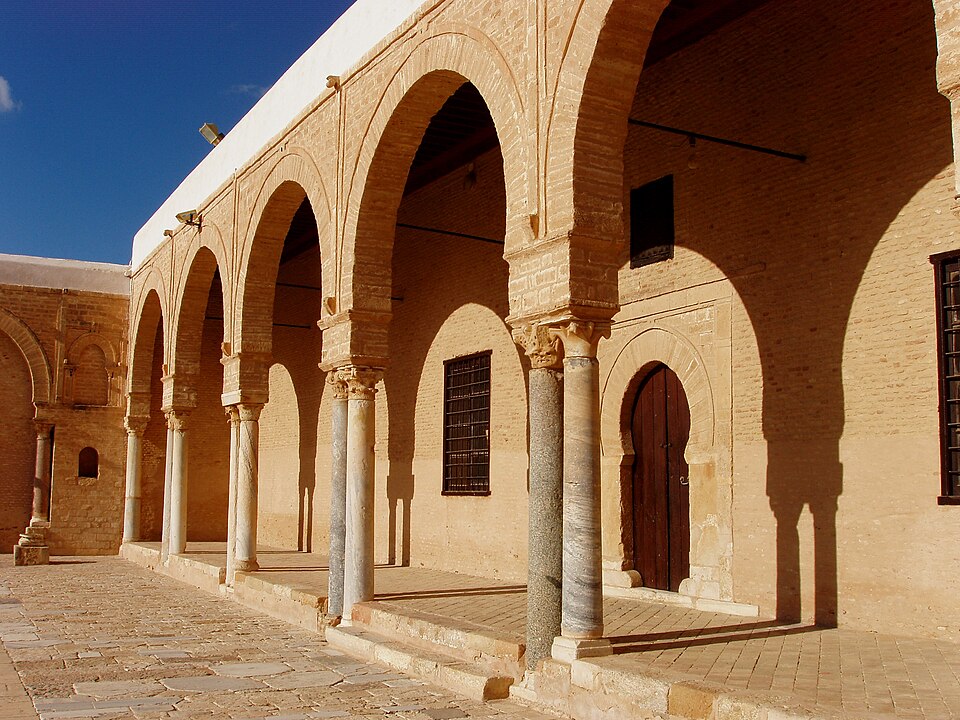
Modern el jem tour from hammamet itineraries often pair the amphitheatre with Kairouan, the holy city 60 kilometers northwest, creating a circuit through Roman, early Islamic, and medieval Tunisian heritage. Summer performances of classical music and opera now fill the arena, reprising its acoustic function without the bloodsport. The site opens daily from 08:00 to 18:30, with early-morning arrivals recommended to avoid the unshaded expanse during midday heat. Entry costs 12 Tunisian dinars and includes access to both the amphitheatre and the museum, a combined ticket that underscores the symbiotic relationship between monumental architecture and domestic art in Roman provincial life.
"The Amphitheatre of El Jem could seat 35,000 spectators — more than the entire population of the ancient city that surrounded it."
A step-by-step walkthrough of El Jem Tour From Hammamet tickets — what you'll see, how long each stage takes, and the details that matter.
You leave Hammamet before 08:00, the coast road giving way to inland plateaus dotted with olive groves. An hour later, the amphitheatre materializes above the low-rise rooftops of El Jem, its honey-colored arches stacked in triple tiers against the cloudless sky.
You enter through the western gate, stepping onto the arena floor where sand and limestone dust mix underfoot. The seating cavea rises in concentric ellipses, each tier accessible via radial staircases built into the outer wall.
Descending into the hypogeum, you navigate vaulted corridors lit by narrow shafts that once channeled animal roars and human cries to the crowds above. Iron rings embedded in the stone mark tethering points; rectangular pits identify cage platforms. You surface at the eastern arcade, where afternoon light slants through the upper gallery, casting striped shadows across the promenade. From the third tier, the modern town spreads in all directions, its scale dwarfed by the structure you now inhabit. You circle the perimeter, pausing at the northern façade where 17th-century cannonball impacts pockmark the stone — a reminder that the monument survived not just time but conflict.
Before departing, you cross to the Archaeological Museum, where mosaic panels recovered from nearby villas depict marine life in cobalt and ochre tesserae. The largest fragment, a Triumph of Neptune spanning four square meters, reveals the chromatic ambition of provincial Roman decorators.
The El Jem Amphitheatre is open daily from 08:00–18:30.
The site is open 7 days a week, including weekends.
The 12 TND entrance fee covers both the Amphitheatre and the Archaeological Museum.
Yes, it is family-friendly, though supervise children near the arena drops.
Arrive between 08:00–10:00 to avoid mid-day heat.
Allow about 2–3 hours to fully explore the amphitheater and museum.
Yes, the museum is included in the standard admission fee.
There is very little shade at the site, so bring protection from the sun.
Private transport is the most recommended way for an el jem tour from hammamet.
Yes, you can take photos freely throughout your el jem tour from hammamet.